Discover in-depth articles on structural design, luxury finishes, sustainable materials, and practical packaging solutions for modern brands.
Choosing the right custom rigid apparel boxes can shape how customers judge a garment before touching it. These boxes protect folded shirts, jackets, and delicate accessories during storage, delivery, and unboxing. Yet appearance alone is not enough. A glossy lid may look premium but show fingerprints, crush easily, or waste material. From packaging evaluations, I have learned that board strength, fit, finishing, and handling must work together. One weak choice can damage an otherwise excellent product. Even a beautiful box can become inconvenient when it is too heavy or difficult to recycle.
This guide presents seven practical tips for selecting boxes that support both brand presentation and product protection. Each tip examines a decision that packaging teams often overlook. We will consider dimensions, board quality, surface finishes, closures, inserts, supplier reliability, and total cost. Measurements should match the apparel, not merely the artwork. Material selection should reflect stacking pressure and shipping conditions. Printing and finishing should create value without hiding poor construction. Closures and inserts should hold garments neatly, without creating unnecessary unpacking effort.
Cost matters, but the cheapest quote rarely explains the full outcome. Ask for samples. Test the corners. Inspect the fit. Still, no checklist is perfect. Some recommendations may need adjustment for your apparel type, budget, and shipping route. That uncertainty deserves attention, not polished promises. Use these insights to make a practical, defensible packaging decision.
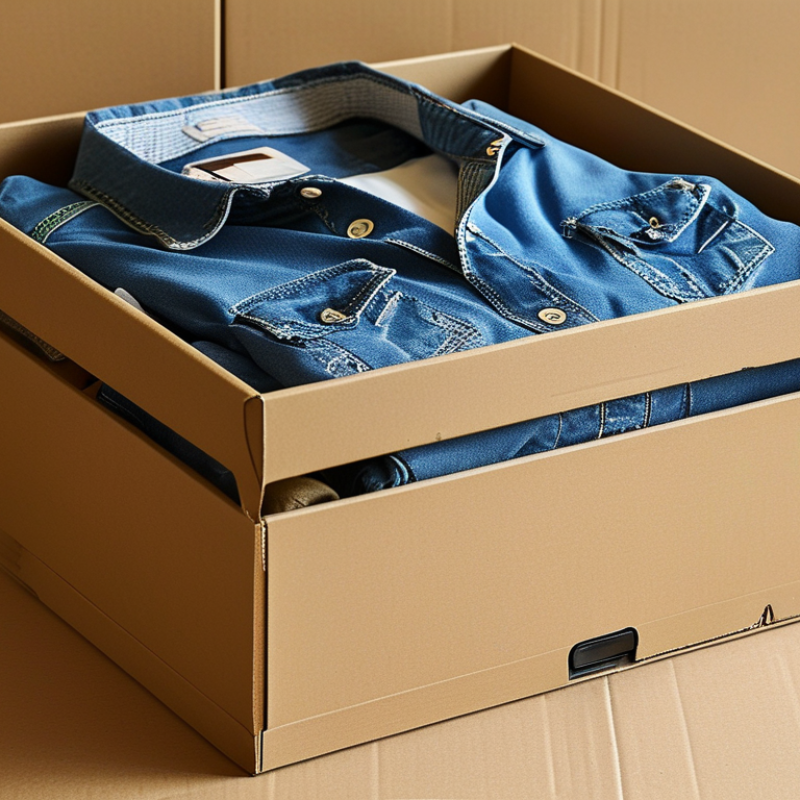
Start with the garment, not the box.
Measure folded dimensions, fabric sensitivity, trim placement, and stacking pressure. A silk shirt needs smoother interiors than a structured denim jacket. Add enough clearance for tissue, but avoid excessive movement. Loose garments can crease during transport.
The Pitney Bowes Parcel Shipping Index reported 161.8 billion parcels worldwide in 2022. That volume exposes weak packaging quickly. Specify drop resistance, corner strength, and compression performance with your packaging supplier. Request practical testing that reflects warehouse handling, delivery vibration, and repeated opening.
Presentation also deserves measurable requirements. Define how the lid should open, where the garment should sit, and how customers should remove it. A rigid apparel box may use wrapped paperboard, molded inserts, or fabric-like liners. Each option changes protection, cost, and perceived quality. Small details matter.
Sustainability cannot be an afterthought. A McKinsey consumer study found that 60% to 70% of respondents would pay more for sustainable packaging. Still, heavier construction is not automatically better. I have seen attractive boxes become impractical because they added unnecessary weight. Reconsider the magnetic closure, oversized insert, and decorative layers. Sometimes less feels more considered.
Before approving production, test the packed box with real garments. Check scuffing, odor, moisture exposure, and opening effort. Do not rely only on a clean prototype. Real use is messier.
Choose enough thickness to protect folded garments without adding unnecessary weight. Recycled paperboard may reduce material impact. Thicker is not always better.
A drawer box suits folded shirts and compact items. A magnetic lid offers quick presentation. Hinged designs feel premium but may use more material.
Check fiber content, coatings, color consistency, and recyclability. Ask for physical samples. Digital previews can hide texture differences.
Measure the garment, tissue, inserts, and packing tolerance together. Leave only enough space for easy packing. Oversized boxes increase shipping volume.
Test compression, drops, moisture exposure, and stacked storage. Use real garments inside. Attractive boxes can still buckle.
Test opening force and lid alignment. Small closure errors become obvious at a retail counter. The box should open smoothly.
Soft-touch coating feels smooth in the hand. Spot gloss can highlight a small pattern. Foil may add elegance, but too much shine can feel careless.
Inspect corners, odors, printing, lid fit, and packing speed. Check samples under natural and indoor light. The first sample may need revision.
Match colors and typography with existing labels and displays. Avoid decoration without purpose. Reusability may improve the experience, but it can raise cost and production time.
Choosing the right custom rigid apparel boxes requires a clear understanding of both product protection and presentation goals. Start by considering the type of clothing, its size, weight, folding method, and the level of protection needed during storage and shipping. Then select suitable materials, box structures, and dimensions to create a secure fit without unnecessary bulk. Custom features such as colors, finishes, inserts, closures, and printed details should support a consistent brand identity while improving the customer’s unboxing experience.
It is also important to evaluate sustainability, production quality, and long-term durability. Look for responsibly sourced materials, reliable construction, smooth finishing, and packaging that can withstand handling without losing its appearance. Finally, compare suppliers based on total cost, sampling services, lead times, minimum order quantities, communication, and quality control. A careful comparison helps ensure that the final packaging solution balances visual appeal, functionality, environmental considerations, and practical production requirements.