Industry Knowledge & Insights

Packaging Insights & Expert Guides

Discover in-depth articles on structural design, luxury finishes, sustainable materials, and practical packaging solutions for modern brands.

0%

Choosing who makes the best custom cosmetic rigid boxes in China takes more than comparing glossy catalogs. The right supplier must turn a design into a box that feels consistent in the hand and protects its contents. Former Apple design chief Jony Ive once said, “Packaging can be theater, it can create a story.” That idea matters in cosmetics, where a lid’s resistance, a clean corner, and a smooth paper wrap shape the unboxing experience. Details matter.

A useful comparison looks beyond photographs. Ask for a physical sample, then inspect its edges, hinge, insert fit, print color, and surface finish under ordinary lighting. Check whether the factory can explain its quality checks, material options, minimum order quantities, and realistic production schedule. Request clear answers about revisions and who handles each stage. A polished sample is promising, but it does not prove every production run will match. That gap deserves attention.

This guide examines how to assess manufacturers of custom cosmetic rigid boxes in China, from design support to production consistency. It also considers communication, sampling, and the practical costs behind premium finishes. No single supplier is best for every brand. A small launch may need flexibility, while a larger order may depend more on repeatable color and reliable lead times. The comparison aims to separate evidence from sales claims, while recognizing that a factory visit or independent inspection may not be possible for every buyer. Some details remain uncertain until samples are tested.
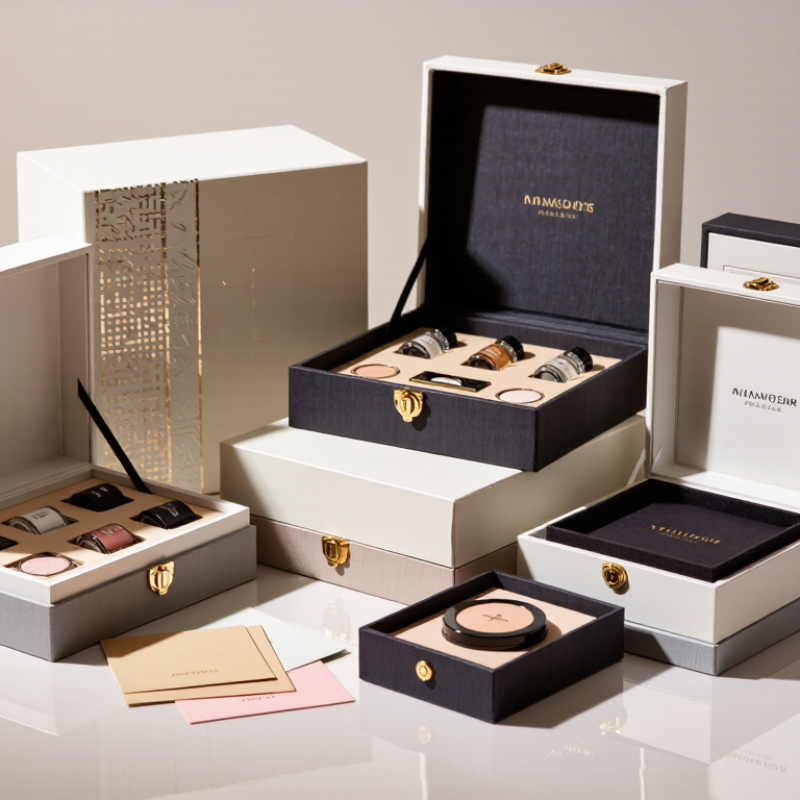
Who Makes the Best Custom Cosmetic Rigid Boxes in China?

What Custom Cosmetic Rigid Boxes Are and How They Are Made

Custom cosmetic rigid boxes use thick paperboard, usually chipboard, wrapped in printed paper. Their solid walls create a firm feel and help protect jars, palettes, and glass bottles. Unlike folding cartons, many rigid boxes arrive already assembled. Small details matter: a lid that sits evenly, clean corners, and an insert that holds the product without rattling.

Making one starts with measuring the product and selecting board thickness. The board is cut, formed, and wrapped with printed paper; foil, embossing, or a matte coating may be added. Inserts are then shaped to fit. According to Smithers’ The Future of Global Packaging to 2028, the global packaging market was valued at about US$1.17 trillion in 2023. This covers all packaging, not cosmetic rigid boxes alone—a useful industry-scale reference, not a category-specific forecast. Still, a beautiful box can be overbuilt. Extra layers add weight and material, so the right structure depends on the product and shipping needs.

Tips: Request a physical sample before production. Check lid fit, print color, corner alignment, and whether the insert keeps the product steady. Ask the manufacturer how it checks these details across a production run. A sample can look perfect; consistency is the harder test.

Criteria for Evaluating Cosmetic Rigid Box Manufacturers in China

A strong cosmetic rigid box manufacturer should prove its process with a physical sample, not only polished photographs. Check the corners, lid fit, and wrapped edges under bright light. Small gaps or visible glue can make a premium box feel careless. Ask how the factory controls board thickness, color matching, and surface finishes across repeat orders. Consistency matters. Request a sample made with the same materials and construction planned for production. A digital mockup cannot reveal every issue.

Evaluate communication and quality checks as carefully as price. Clear answers about sampling time, production capacity, inspection steps, and packaging for shipment help reduce avoidable surprises. Ask for examples of how defects are recorded and corrected. A reliable supplier should explain limitations, too; unusually fast timelines may leave little room for revisions. During a factory visit or video walkthrough, look for organized material storage and working inspection stations. These details are useful, though a tidy room alone proves little. I would still compare samples from more than one manufacturer, because lighting can distort color and a single box may not reflect batch quality.

Key Capabilities of China’s Leading Packaging Suppliers

Who Makes the Best Custom Cosmetic Rigid Boxes in China?

Strong suppliers combine structural design, dependable production, and clear quality records. For cosmetic rigid boxes, ask how they control board thickness, corner alignment, lid fit, and insert tolerances. Request a physical sample, not only a digital rendering. A box may look elegant on screen yet arrive with a loose lid or scuffed edges. Suppliers should also document color targets, inspection steps, and batch traceability. These details make repeat orders more consistent.

Material choices deserve equal attention. Eurostat reported 186.5 kilograms of packaging waste per EU resident in 2022. This figure is not specific to cosmetics, but it makes material efficiency worth discussing. Ask suppliers to explain board grades, paper sourcing, and whether inserts can be simplified without compromising product protection. Test the packed box for handling and transport; decorative finishes can hide weaknesses in the underlying structure. No single specification suits every product.

Tip: Send a real product or accurate dimensions with your brief. Ask for a prototype, written tolerances, and photos of production checks. Compare those records with the approved sample. A rushed sample review is easy to regret.

Customization, Quality Control, and Production Standards

Who Makes the Best Custom Cosmetic Rigid Boxes in China?

Customization, Quality Control, and Production Standards

Choosing a supplier starts with more than reviewing a polished sample. Ask how the factory turns your dieline, material choices, and finish requirements into repeatable production instructions. A useful sample should show clean wrapped corners, even edges, and a snug-fitting lid. Check it in your hands. Does the box open smoothly without feeling loose?

Customization can involve foil stamping, embossing, inserts, or textured paper. Each option affects cost, timing, and appearance. Request a physical proof when color accuracy matters, since screens cannot show paper texture or reflectivity reliably. Small shifts happen. Ask how color differences are measured and approved before the full run begins.

Quality control should cover incoming materials, first-piece approval, and checks during production. Request clear tolerances for dimensions, alignment, and surface defects, plus records for each inspection stage. A drop or transit test can reveal whether an insert protects the product and whether corners hold their shape. Even a careful checklist has limits; inspection samples may miss an occasional flaw. Discuss what happens when defects appear, and make that process part of the written specification.

How to Select the Right Manufacturer for Your Brand

Choosing a custom cosmetic rigid-box manufacturer in China starts with the box’s job, not a sales brochure. Define dimensions, product weight, opening style, and expected shelf life before requesting quotes. Ask for a physical sample using the intended board, wrap paper, foil, and insert. Small details matter. Press the corners, open the lid repeatedly, and check whether the insert holds the jar without scuffing it.

A capable supplier should explain material options, tolerances, sampling steps, and how color is checked across a production run. Request a written specification and confirm how defects, revisions, and schedule changes are handled. Photos help, but they cannot replace an approved sample or an agreed inspection plan. Ask whether production records and quality checks can be reviewed; vague answers deserve follow-up. Compare quotations line by line, including tooling, shipping packaging, minimum order quantity, and lead time.

Communication matters as much as machinery. Notice how quickly the team flags a design risk, such as a fragile magnetic closure or tight-fitting insert. A low price may save money now and create rework later. That is not always obvious. Before placing a full order, approve a pre-production sample and clarify who pays for corrections caused by specification errors. Choose a manufacturer that documents decisions and answers specific questions clearly; trust should be based on evidence, not promises.

FAQS

What should I inspect on a cosmetic box sample?

Check the corners, lid fit, and wrapped edges under bright light. Look for gaps or visible glue. Photos are not enough.

Why request a physical prototype?

It reveals issues a digital mockup may miss. Ask for the same materials and construction planned for production.

Which production details should I ask about?

Ask how the supplier controls board thickness, color matching, corner alignment, and insert tolerances. Request written tolerances, too.

How can I assess quality control?

Ask for inspection steps, batch records, and examples of how defects are logged and corrected. Clear records matter.

What should I clarify about timing and communication?

Confirm sampling time, production capacity, and shipment packaging. Ask whether the schedule allows revisions. A very fast timeline may leave little room.

What can a factory walkthrough tell me?

Look for organized material storage and active inspection stations. A tidy room helps, but proves little on its own.

Should I compare samples from multiple suppliers?

Yes. Compare corners, colors, and lid fit side by side. Lighting can distort color, and one box may not reflect batch quality.

What information should I include in a packaging brief?

Send the real product or accurate dimensions. Request a prototype and photos of production checks. A rushed review is easy to regret.

How should I discuss materials and product protection?

Ask about board grades, paper sourcing, and simpler insert options. Test the packed box during handling and transport; decorative finishes can hide weak structure.

Conclusion

Custom cosmetic rigid boxes are premium packaging structures made from thick paperboard, wrapped in printed or decorative materials, and assembled to create a sturdy, refined presentation. Their production typically involves designing the box dimensions and inserts, cutting and forming the board, applying the wrap, and completing careful assembly. For a brand, the right supplier should combine reliable production capacity with thoughtful design support, clear communication, consistent workmanship, and the ability to meet agreed timelines and order quantities.

When comparing manufacturers in China, consider their experience with cosmetic packaging, material and finish options, sampling process, quality-control procedures, and production standards. Strong suppliers can customize structures, colors, printing, textures, and protective inserts while checking materials and finished products at key stages. Before selecting a manufacturer, share your product specifications and expectations, review samples, confirm quality requirements and delivery details, and assess how effectively the supplier responds to questions. A careful evaluation helps you choose custom cosmetic rigid boxes that balance appearance, protection, consistency, and practical production needs.

Aurora

Aurora

Aurora is a professional marketing specialist dedicated to helping businesses understand products, markets, and customer needs through clear, practical, and insight-driven communication. With a strong command of the company’s solutions, Aurora regularly contributes expert articles to the company......