Discover in-depth articles on structural design, luxury finishes, sustainable materials, and practical packaging solutions for modern brands.
Choosing custom cbd rigid boxes for wholesale requires more than selecting an attractive color or premium finish. The box must protect the product, support brand recognition, and remain practical during storage and transport. A sturdy rigid structure, precise inserts, and a clean opening experience can reduce movement, scuffing, and presentation problems. Small details matter.
Ronald Sasine, a respected packaging and supply-chain expert, offers a useful principle: “Protect the product, respect the supply chain, and make the package easy to understand.” This idea shapes the decisions discussed in this guide. Buyers should compare board thickness, magnetic or tuck closures, interior fitting options, printing methods, and supplier quality controls. They should also confirm that packaging text and presentation follow applicable regional requirements for lawful CBD products. Packaging cannot replace regulatory review.
Wholesale planning adds another layer. Minimum order quantities, sample approval, lead times, carton dimensions, and shipping costs can change the real unit price. A box that looks impressive may become inefficient if it wastes warehouse space. That mistake is easy to make. Another concern is sustainability. Recycled board, water-based coatings, and reduced plastic can improve the package, but only when they maintain adequate strength and product protection.
The best choice is rarely the most expensive box. It is the box that fits the product, audience, budget, and distribution process. Some decisions may need revision after physical testing. That is normal. A thoughtful evaluation of custom cbd rigid boxes helps wholesale buyers balance appearance, reliability, compliance, and long-term value.
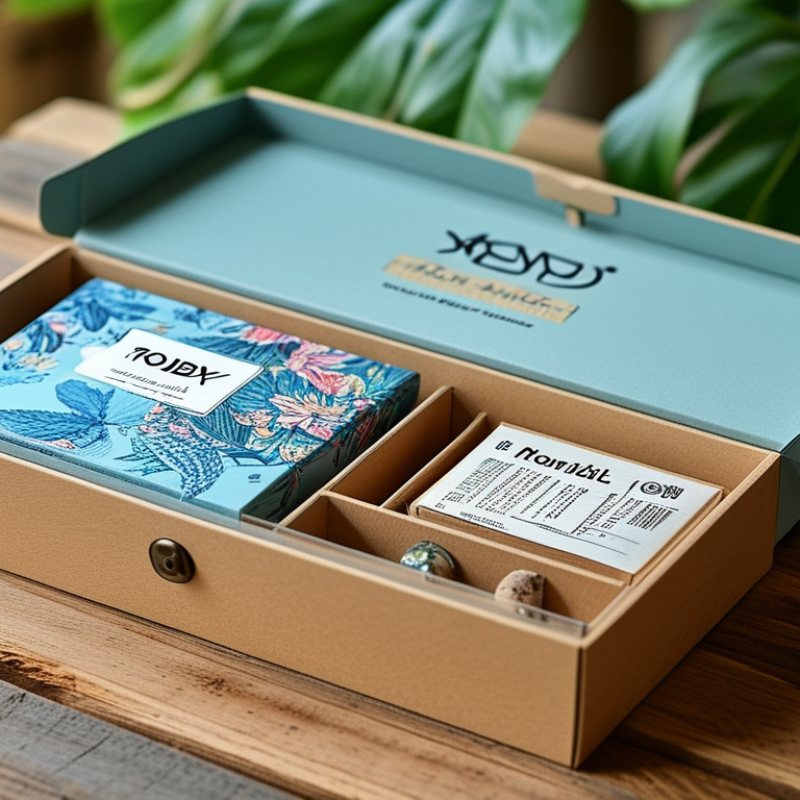
Custom CBD rigid boxes should serve a clear purpose beyond creating a premium appearance. They protect bottles, jars, and droppers during storage and shipping. Their firm board structure helps prevent crushed corners and loose closures. A fitted insert can keep each container centered and reduce movement. Small details matter here.
The box also creates space for accurate product information. Depending on the destination market, packaging may need batch details, ingredient information, net quantity, warnings, and usage guidance. Requirements differ by location, so wholesale buyers should confirm details with qualified regulatory professionals. Printed information must remain readable. Tiny text often becomes a costly mistake.
For wholesale orders, consistent sizing is especially important. A reliable box should fit the product without excess space or pressure. Test samples with real containers, labels, and seals before approving production. Check the hinge, magnetic closure, printing, and inner support repeatedly. A design may look excellent on screen but feel weak in hand. That is worth reconsidering.
Material selection also affects the box’s practical value. Recyclable papers, water-based coatings, and minimal plastic inserts may support responsible packaging goals. However, sustainability claims should match verified material information. Avoid vague promises. A strong custom CBD box protects the product, communicates responsibly, and supports efficient packing across large wholesale quantities.
Choosing custom CBD rigid boxes for wholesale starts with product protection, not decoration. Grand View Research reported that the global CBD market reached approximately USD 7.59 billion in 2023. That scale increases pressure on packaging suppliers. Buyers need boxes that protect oils, capsules, or topical containers from light, moisture, crushing, and movement. A rigid box should hold the primary container securely, without direct product contact unless the materials are properly approved. Include space for batch details, net contents, usage information, and required warnings. Requirements vary by jurisdiction, so compliance checks must happen before printing.
Wholesale planning also needs measurable specifications. Confirm box dimensions, board thickness, insert material, closure strength, barcode placement, and packing efficiency. Smithers’ packaging research continues to identify sustainability and material reduction as major industry priorities. Therefore, avoid oversized boxes and unnecessary plastic components. Recyclable paperboard, soy-based inks, and fiber inserts may reduce waste, but suppliers should verify actual recyclability locally. A “green” claim without evidence is risky.
Tips: Request a physical prototype before ordering. Test drop resistance, lid alignment, and shelf stability. Ask for material certificates and quality-control records. Compare samples from different production batches. I have seen attractive boxes arrive with weak magnets and uneven edges. That mistake is easy to miss in a digital proof. Reconsider decorative finishes if they delay production or complicate recycling. Stable dimensions and reliable delivery usually matter more than elaborate foil effects.
Essential packaging requirements for CBD products should balance product protection, compliance communication, child-safety considerations, retail presentation, and efficient wholesale shipping.
The chart uses a practical 1–5 priority scale for wholesale CBD rigid-box planning: 1 = low priority and 5 = critical priority. Regulatory requirements vary by product type and market, so labels, warnings, tamper evidence, and child-resistant features should be verified for the destination jurisdiction before production.
Wholesale CBD rigid boxes should balance protection, presentation, and legal packaging requirements. Choose rigid board with a firm surface and consistent thickness. Recycled paperboard can reduce material use without making the box feel weak. For products exposed to humidity, add a suitable inner barrier or protective coating. Avoid exaggerated health claims on printed panels. Confirm labeling rules in every target market before production.
Size should follow the product, not the design trend. Measure the container, cap, label, and any safety seal. Leave enough clearance for removal, but avoid a loose fit that allows movement during shipping. A molded paper insert can hold one bottle securely. Larger sets may need separate compartments. Too much empty space increases freight costs.
Structural design affects both customer use and wholesale handling. Tuck-end boxes suit efficient packing, while magnetic closures create a more premium opening experience. Use reinforced corners for repeated handling. A matte finish can hide fingerprints, but it may show scuffs during transport. Request a physical prototype before approving a large order. I have seen attractive concepts fail because the insert blocked the label. That mistake is easy to miss. Test stacking, drop resistance, and opening comfort with real samples. Specifications help, but actual handling often reveals what drawings cannot.
When choosing custom CBD rigid boxes for wholesale, evaluate the print quality before judging the design. Request a physical sample, not only a digital proof. Check whether fine text remains sharp at a small size. Confirm that colors match the approved CMYK or Pantone references. A deep green may appear black under different lighting. That detail can affect shelf consistency. Foil stamping, embossing, and spot UV can strengthen brand recognition, but excessive effects may increase cost and reduce readability. Keep ingredient details, net weight, batch information, and required warnings clearly visible. A polished box still fails if essential information is hidden.
Branding should feel deliberate rather than crowded. Use one strong visual element, such as a textured logo panel or a distinctive color band. Ask the printer about ink adhesion, scuff resistance, and color variation between production runs. Wholesale orders often expose small inconsistencies. They matter. Protective features deserve equal attention. Select rigid board with suitable thickness, reinforced corners, and an internal insert that prevents movement. Test the packed box after drops, stacking, and humid storage conditions. Moisture-resistant coatings can help, but they are not always recyclable. That trade-off needs honest review.
A practical supplier should provide material specifications, production samples, and clear quality-control records. Request measurements for compression strength and closure durability when available. Magnetic closures look refined, yet they may raise shipping weight and cost. A minor print flaw may be acceptable during sampling, but repeated defects are not. Leave room for revision after testing. Packaging decisions improve when appearance, protection, compliance, and budget are evaluated together.
| Evaluation Dimension | Available Option or Specification | Wholesale Evaluation Criteria | Protective or Branding Benefit | Recommended Use |
|---|---|---|---|---|
| Box Construction | Two-piece rigid box, magnetic-closure box, or drawer-style box | Compare assembly time, storage volume, opening experience, and unit cost at the planned order quantity. | Rigid construction provides greater resistance to crushing than lightweight folding cartons. | Premium product lines, gift sets, and multi-item CBD kits. |
| Board Thickness | Common rigid-board constructions are approximately 1.5–3 mm thick. | Select thickness according to product weight, box size, stacking conditions, and shipping method. | Thicker board generally improves rigidity but increases material use, weight, and freight cost. | Use heavier board for glass bottles or products shipped in large master cartons. |
| Surface Printing | Offset printing, digital printing, or a limited-color design | Offset printing is usually suited to larger runs; digital printing can be practical for shorter runs or variable artwork. | High-resolution graphics support consistent color, legibility, and shelf recognition. | Choose printing technology after confirming quantity, artwork complexity, and color requirements. |
| Color Management | CMYK process printing, spot colors, or a combination of both | Request a printed proof and define acceptable color tolerances before mass production. | Color control helps maintain visual consistency across repeat wholesale orders. | Important when multiple box sizes must present a unified product range. |
| Finish and Texture | Matte or gloss aqueous coating, soft-touch coating, embossing, debossing, or foil stamping | Evaluate tactile effect, scuff resistance, lead time, setup charges, and compatibility with the artwork. | Finishes can emphasize logos or key design elements, while coatings can improve surface resistance. | Use selective embellishment when premium appearance is needed without finishing the entire box. |
| Interior Insert | Paperboard insert, molded pulp insert, foam insert, or fitted tray | Check product fit, cavity tolerance, material recyclability, odor, and compatibility with the bottle or container. | A fitted insert limits movement and helps prevent contact damage during handling. | Use separate cavities for bottles, droppers, jars, or accessories in a bundled set. |
| Closure Security | Tuck flap, ribbon pull, drawer stop, or magnetic closure | Test opening force, repeated use, accidental opening, and the effect of the closure on shipping dimensions. | A secure closure keeps the package closed during display and distribution. | Use a fitted closure for retail handling; consider simpler closures for cost-sensitive wholesale programs. |
| Moisture and Surface Resistance | Protective coating, laminated paper wrap, or uncoated paper wrap | Assess exposure to condensation, handling, warehouse humidity, and possible oil contact from the product. | A suitable surface treatment can reduce staining, scuffing, and moisture-related deterioration. | Recommended for products handled in bathrooms, wellness stores, or humid storage environments. |
| Light Protection | Opaque paper wrap, dark printed exterior, or a fully enclosed rigid structure | Confirm the primary container’s light-protection requirements with product stability information and packaging specifications. | An opaque outer box can reduce direct light exposure during display and storage. | Useful when the product container or formulation requires secondary light protection. |
| Regulatory Information Area | Dedicated panel for ingredients, net contents, batch information, warnings, barcode, and required statements | Verify the final copy against the destination market’s current packaging and CBD labeling requirements before printing. | Clear information placement improves readability and reduces the risk of covering required details with labels. | Reserve a high-contrast, uncluttered panel for compliance-related content. |
| Barcode and Scanning | High-contrast barcode on a flat, low-gloss area | Check quiet zones, print sharpness, contrast, placement, and scan performance after applying coatings. | Correct placement supports reliable inventory and point-of-sale scanning. | Keep the barcode away from folds, seams, metallic effects, and heavily textured areas. |
| Sustainability | FSC-certified paper where available, recycled board, paper-based inserts, and recyclable coatings | Confirm certification claims, recycled content, adhesive type, material separation, and local recycling compatibility. | Paper-based constructions may simplify recycling compared with mixed-material structures, subject to local facilities. | Prioritize material simplicity when sustainability is a central purchasing criterion. |
| Wholesale Quality Control | Pre-production sample, approved color proof, dimensional inspection, and carton drop testing | Define measurable tolerances for dimensions, print registration, color, closure, inserts, and cosmetic defects. | Documented inspection reduces variation across large or repeat production runs. | Approve a physical sample before releasing a full wholesale order. |
| Logistics and Total Cost | Unit price, tooling or setup fees, sample charges, shipping volume, storage, and minimum order quantity | Compare landed cost rather than factory price alone, including packaging waste and replacement risk. | Efficient dimensions and nesting can reduce freight volume while preserving product protection. | Choose the simplest structure that meets branding, protection, compliance, and handling requirements. |
Choosing custom CBD rigid boxes for wholesale requires more than comparing unit prices. A dependable supplier should understand regional packaging rules and product-contact requirements. Ask for material specifications, printing tolerances, structural drawings, and a physical sample. A polished digital proof can still hide weak corners or inaccurate colors. Check recycled-content claims and request supporting documents. Small details matter.
When comparing wholesale suppliers, request itemized quotations. Separate the box price from tooling, sampling, finishing, freight, taxes, and storage. A low unit cost may depend on a large minimum order quantity. Compare three scenarios, such as 500, 2,000, and 5,000 boxes. This reveals how quickly the price changes. I once underestimated the cost of custom inserts; that mistake made the cheapest quote less attractive. Allow room for damaged units and design revisions.
Order terms deserve equal attention. Confirm the minimum order, sample fee, production lead time, payment schedule, and shipment conditions. Ask who pays for defects, reprints, or delayed delivery. Include color standards and approval procedures in writing. For regulated markets, review all printed wording before production, especially dosage or wellness statements. Do not rely on verbal promises. A supplier may offer flexible terms, but unclear revision limits can create unexpected charges. Some buyers also overlook confidentiality and artwork ownership. That can become an uncomfortable issue later.
It protects bottles, jars, and droppers during storage and shipping. A fitted insert keeps each container centered. Presentation matters, but protection comes first.
Measure the container, cap, label, and safety seal. Leave room for easy removal, but avoid a loose fit. Too much empty space increases freight costs.
Requirements vary by destination market. Possible details include ingredients, batch information, net quantity, warnings, and usage guidance. Confirm wording with qualified regulatory professionals.
Small text can hide important instructions and warnings. Use clear type and enough contrast. Tiny text fails.
Reinforced corners, firm board, and secure closures improve durability. Tuck-end designs support efficient packing. Magnetic closures may create a more premium opening experience.
No. Request a physical prototype before placing a large order. Test stacking, opening comfort, drop resistance, and insert placement. Looks can mislead.
Request itemized pricing for boxes, tooling, sampling, finishing, freight, taxes, and storage. Compare quantities such as 500, 2,000, and 5,000 units. The cheapest quote may not be cheapest overall.
Confirm minimum quantities, sample fees, production time, payment schedules, and shipping conditions. Clarify responsibility for defects, reprints, and delays. Do not rely on verbal promises.
Recycled paperboard, water-based coatings, and minimal plastic may reduce material use. Claims should match verified specifications. Vague promises need reconsideration.
An insert may block the label or hold the container too tightly. A matte surface may hide fingerprints but show transport scuffs. I once underestimated insert costs. That mistake still matters.
Choosing custom cbd rigid boxes for wholesale requires balancing product protection, presentation, compliance, and cost. Start by defining the box’s purpose, such as protecting CBD oils, capsules, creams, or gift sets during storage, shipping, and retail display. Consider essential requirements including secure closures, appropriate dimensions, product stability, tamper-evident options, and space for legally required information. Durable paperboard, kraft board, or other suitable materials can be selected according to product weight, sustainability goals, and budget. Structural designs should fit the product precisely while allowing convenient handling and efficient storage.
Printing and branding should create a professional appearance without making unsupported product claims. Choose finishes, colors, inserts, and protective coatings that support the desired image and help prevent damage from moisture, friction, or light when necessary. When comparing wholesale suppliers, review sample quality, production capacity, minimum order quantities, customization options, lead times, shipping terms, and total pricing. A reliable supplier should communicate clearly, maintain consistent quality, and help ensure that packaging information meets applicable market requirements.