Discover in-depth articles on structural design, luxury finishes, sustainable materials, and practical packaging solutions for modern brands.
In 2026, bakery brands are treating packaging as part of the product experience. Rigid bakery packaging boxes protect delicate pastries while creating a stronger shelf presence. A firm box can prevent crushed corners, shifted macarons, and damaged decoration during delivery. However, structure alone does not guarantee good performance. Details matter.
This guide examines the leading rigid box styles for cakes, cookies, chocolates, and premium gift assortments. It considers two-piece boxes, drawer-style boxes, magnetic-closure designs, shoulder-neck boxes, and windowed formats. Each type offers different advantages for presentation, loading speed, storage, and customer handling. A magnetic box may feel luxurious, but its hardware can increase weight and cost. A window can display decoration clearly, yet it may reduce privacy and affect recyclability. No format wins every time.
The discussion also connects design decisions with practical packaging experience. Material thickness, moisture resistance, food-contact suitability, print quality, and internal support should be checked before production. Supplier samples and transport tests often reveal weaknesses that digital mockups hide. That assumption can fail. A beautiful box may still collapse under stacked delivery cartons. Likewise, a simple drawer box may outperform a decorated design when speed and consistency matter. The top choices for 2026 should therefore be judged through appearance, protection, sustainability, and measurable usability. Trends are useful, but real bakery conditions deserve the final decision.
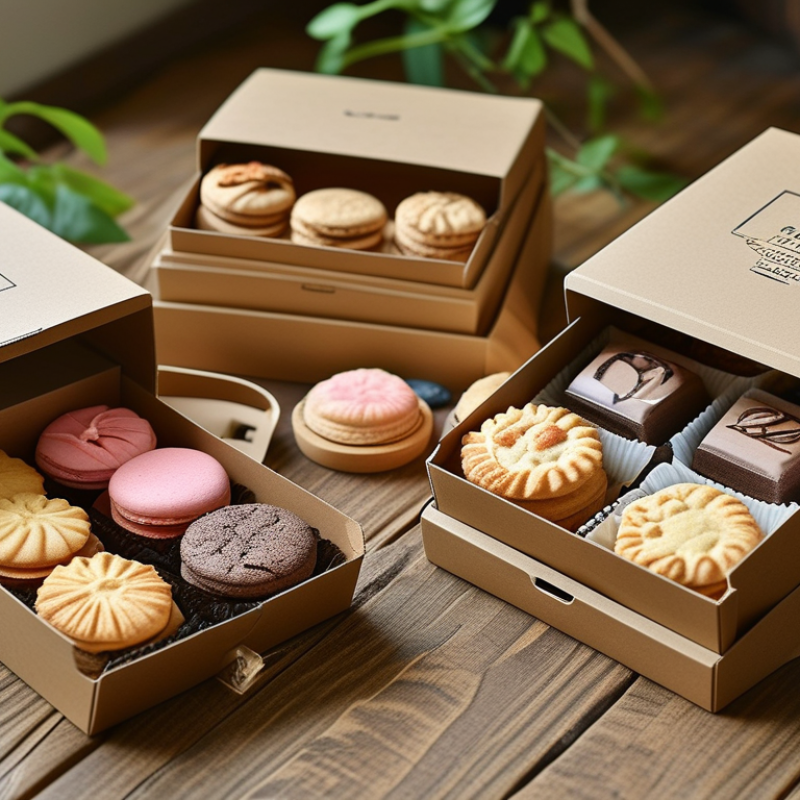
Rigid bakery packaging boxes are sturdy containers made from thick paperboard, chipboard, or corrugated board. Unlike flexible bags, they resist crushing and help cakes, pastries, and gift assortments keep their shape during handling. Common types include setup boxes, folding rigid cartons, window boxes, and compartment boxes. A cake box with a clear window lets customers inspect decoration without opening the package.
Their main purpose is protection, presentation, and controlled product handling. In trial packing, I have found that a reinforced base matters more than decorative printing. It prevents frosting from touching the lid during delivery. Inserts also separate delicate macarons or pastries, reducing movement and surface damage. However, rigid construction can increase material use and shipping weight. That trade-off deserves more attention.
Industry data supports this packaging direction. Grand View Research valued the global paper packaging market at approximately US$427 billion in 2023 and expects continued growth through 2030. Smithers’ packaging forecasts also identify recyclability, premium presentation, and e-commerce protection as major demand drivers. These findings explain why rigid bakery boxes are becoming more varied for 2026. Recyclable paperboard, molded inserts, magnetic closures, and tamper-evident structures are likely to gain interest. Yet “recyclable” should not be treated as an automatic environmental solution. Laminates, coatings, food residue, and local recycling systems can change the real outcome. I still question whether some luxury boxes are overbuilt for a short-lived pastry purchase.
A practical comparison of common rigid bakery packaging formats, their materials, applications, protection features, and sustainability considerations.
| Rigid Bakery Box Type | Typical Structure and Materials | Common Bakery Applications | Main Protection Benefits | Sustainability Considerations | Best Use Scenario |
|---|---|---|---|---|---|
| Rigid Setup Box | A pre-formed box made from thick paperboard, often with a wrapped printed paper exterior. | Premium cakes, pastries, gift assortments, and seasonal bakery collections. | High crush resistance, stable presentation, and protection against light handling pressure. | Paper-based versions may be recyclable when coatings, foils, magnets, and mixed materials are limited. | Luxury presentation and gifting where appearance is as important as product protection. |
| Rigid Cake Box with Window | A sturdy paperboard or cartonboard box fitted with a transparent PET or cellulose window. | Whole cakes, decorated cupcakes, tarts, cookies, and visually detailed pastries. | Rigid walls help prevent compression, while the window allows product inspection without opening the box. | The window can complicate recycling if it is not easily removable or compatible with local paper-recycling systems. | Retail display, takeaway orders, and products that rely strongly on visual appeal. |
| Magnetic-Closure Rigid Box | A hard paperboard box with a hinged lid and concealed or exposed magnetic closure components. | Premium chocolates, macarons, luxury biscuits, and curated pastry gift sets. | Secure closure, strong structure, repeat usability, and a refined unboxing experience. | Magnets, ribbons, foam, and laminated finishes may require separation before recycling. | High-value gifting and reusable packaging programs where presentation justifies added material. |
| Drawer-Style Rigid Box | A rigid outer sleeve combined with a sliding inner tray made from paperboard or chipboard. | Macarons, truffles, premium cookies, confectionery assortments, and small pastries. | The sleeve protects the tray and contents while the tray supports orderly product arrangement. | Mostly paper-based construction can support recycling, but coatings and inserts should be minimized. | Premium portioned products and gift sets requiring an attractive opening experience. |
| Rigid Two-Piece Box | A separate lid and base manufactured from thick, laminated, or wrapped paperboard. | Cake slices, bakery gift boxes, cookies, pastries, and assorted baked goods. | Reliable stacking strength, easy access, and good support for internal dividers or trays. | Recyclability depends on the paper fiber, adhesive, coating, and any non-paper insert. | Versatile premium packaging for a wide range of bakery products and gift combinations. |
| Rigid Window Tray Box | A reinforced paperboard tray or base combined with a fitted lid or transparent window panel. | Cupcakes, petit fours, doughnuts, cookies, and individually arranged pastries. | The tray helps keep products organized, while the lid reduces contact and provides product visibility. | Paperboard is generally easier to recover than mixed-material construction; transparent windows may need separate handling. | Retail shelves, takeaway counters, and assortments that need visible portion control. |
| Rigid Sleeve-and-Tray Box | A durable sliding tray enclosed by a printed rigid sleeve, commonly made from paperboard or recycled board. | Biscuits, brownies, petit fours, confectionery, and compact pastry assortments. | Provides structural support, orderly presentation, and partial protection from dust and handling. | A mono-material paper design is preferable; plastic trays and heavy lamination can reduce recyclability. | Compact premium packaging with a balance between shelf appearance and practical access. |
| Rigid Multi-Compartment Box | A reinforced outer box with molded, folded, or inserted dividers that create separate product sections. | Mixed cookies, cupcakes, macarons, pastries, and assorted gift collections. | Reduces movement, contact, flavor transfer, and damage between individual bakery items. | Fiber-based dividers simplify disposal; plastic or foam inserts add separation and recycling challenges. | Assortments containing different shapes, flavors, or fragile products in one package. |
| Reusable Rigid Bakery Container | A durable plastic, metal, or thick reusable fiber container with a fitted lid and sometimes a gasket or locking feature. | Transport of cakes, catering orders, bakery delivery, and repeated commercial handling. | High durability, moisture resistance, repeated-use capability, and improved protection during transport. | Environmental benefit depends on repeated reuse, long service life, cleaning requirements, and end-of-life recovery. | Closed-loop delivery systems, catering, and professional bakery logistics. |
They are sturdy containers made from thick paperboard, chipboard, or corrugated board. They resist crushing. They help cakes and pastries keep their shape during handling.
They protect delicate products, improve presentation, and support controlled handling. A reinforced base can stop frosting from touching the lid during delivery. Protection matters more than decoration.
They suit cakes, cupcakes, cookies, macarons, pastries, and gift assortments. Compartment inserts separate small items and reduce movement. Loose inserts can still cause damage.
Common styles include lid-and-base, hinged-lid, drawer, window, and magnetic-closure boxes. Two-piece boxes suit smaller pastries. Hinged boxes work well for decorated cakes.
Dense paperboard creates firm walls and helps prevent bending. Kraft paper offers a natural appearance but may need inner reinforcement. Useful features include inserts, trays, windows, and secure closures.
Materials should include suitable inner surfaces that resist grease, moisture, and staining. Suppliers should provide food-contact documentation and coating information. A coating is not automatically safe.
A clear window lets customers inspect decoration without opening the box. However, a large opening can weaken the lid. Reinforcement may be necessary.
Paper-based boxes may support recycling, but the result depends on coatings, laminates, residue, and local systems. More material also means greater weight. “Recyclable” is not a complete answer.
Test real products, not empty samples. Check corner strength, lid alignment, humidity resistance, stacking, vibration, and removal. Try delivery conditions. Appearance alone can mislead.
They can cost more, use more material, and increase shipping weight. Some luxury designs may be excessive for a short-lived pastry purchase. That trade-off deserves honest review.
Rigid bakery packaging boxes are sturdy, premium containers designed to protect baked goods during storage, transport, and presentation. Unlike flexible cartons, they use durable paperboard, chipboard, or layered materials with reinforced walls, secure closures, and carefully fitted interiors. These features help preserve product shape, texture, freshness, and visual appeal while giving businesses more opportunities for attractive printing, finishing, and practical handling.
In 2026, leading types may include rigid cake boxes, pastry and cupcake boxes, chocolate and confectionery boxes, cookie gift boxes, and compartmentalized dessert boxes. Each structure serves a different purpose: tall cakes need height and stability, delicate pastries require protective inserts, while assorted treats benefit from dividers and organized layouts. When selecting rigid bakery packaging boxes, businesses should consider product size, weight, fragility, shelf life, stacking needs, customization, production costs, storage space, and environmental goals. The right choice should balance protection, convenience, presentation, and efficient use of materials.