
| Box Architecture Style | Core Material Grade | BCT Compression Strength | CE & EU Compliance | Optimal Footwear Category |
|---|---|---|---|---|
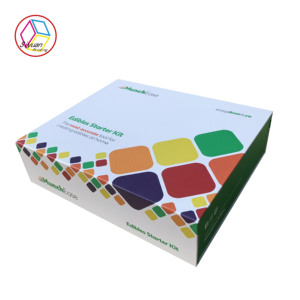
| Two-Piece Rigid Lid & Base | 1800–2400 GSM Solid Greyboard | 4.5 kN to 5.2 kN | CE, REACH, EN 71-3, FSC | Luxury Leather Shoes, Boots, Heels |
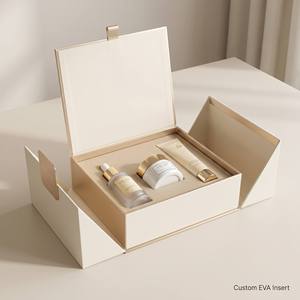
| Collapsible Magnetic Rigid | 1200–1600 GSM Rigid Chipboard | 3.8 kN to 4.4 kN | CE, EN ISO 17228, RoHS Inks | High-Top Sneakers, Designer Loafers |
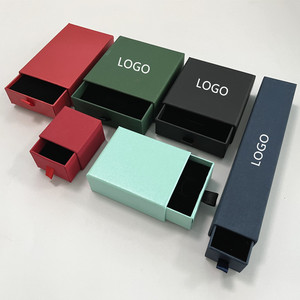
| Sliding Friction Drawer Box | 1400–2000 GSM Recycled Board | 4.0 kN to 4.6 kN | CE Safety Mark, EN 13432 Eco | Premium Retail Footwear, Athletic Shoes |
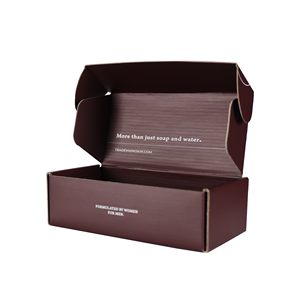
| Fluted Corrugated Mailer | E-Flute / B-Flute Micro-Corrugated | 2.9 kN to 3.5 kN | CE Physical Safety Standard | Direct-to-Consumer E-Commerce Freight |
In modern international trade, footwear packaging is no longer regarded as a passive shipping vessel; it is an active component of brand equity, regulatory compliance, and environmental stewardship. Navigating the stringent mandates of European and international markets requires footwear manufacturers and procurement managers to source CE Certified Shoe Boxes that satisfy both structural engineering metrics and ecological safety criteria.
While CE marking historically applied primarily to electronics, toys, and personal protective equipment (PPE), recent European Union directives have extended safety compliance scrutinies across consumer product packaging. When applied to rigid shoe packaging, CE certification confirms that the paperboard, adhesive formulations, surface laminations, and printing inks contain zero hazardous substances that could migrate into leather, synthetic textiles, or rubber footwear components.
A primary failure mode in footwear logistics is packaging collapse caused by vertical stacking loads during containerized freight. CE compliant manufacturers evaluate box performance utilizing standardized mechanical stress tests:
Box Compression Test (BCT): Evaluates the maximum vertical force a shoe box can endure prior to sidewall buckling. Our heavy-density 2.0mm–3.0mm solid greyboard cores achieve BCT ratings exceeding 4.8 kN, ensuring that palletized stacks (up to 12 layers high) remain stable without crushing inner shoes.
Edge Crush Test (ECT) & Ring Crush Test (RCT): Evaluates raw paperboard fiber strength. High RCT board stock prevents corner splitting—a common defect in inferior footwear boxes exposed to transit vibrations.
Footwear manufactured from premium leather, nubuck, or delicate suede is vulnerable to chemical staining and discoloration if packaged in uncertified, acidic paperboard. CE certified shoe box suppliers utilize neutral pH wrapping papers (pH range 7.0–8.5) and water-based acrylic lacquers. This chemical neutrality eliminates off-gassing and prevents sulfur compounds from tarnishing metallic eyelets, buckles, or zipper hardware on high-end boots and shoes.
Connect directly with our senior packaging engineers to review your footwear dimensions, technical specifications, and volume pricing.
Contact Us