Engineered for luxury tea leaves, organic herbal blends, matcha powder, and high-end gift collections with certified food-grade barrier preservation.
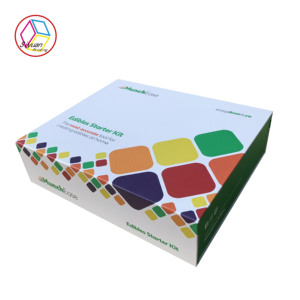
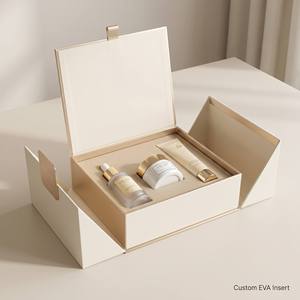
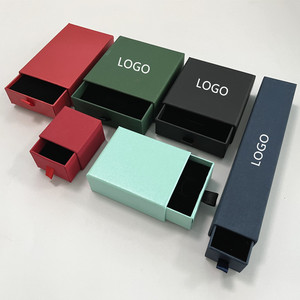
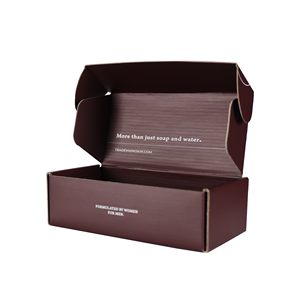
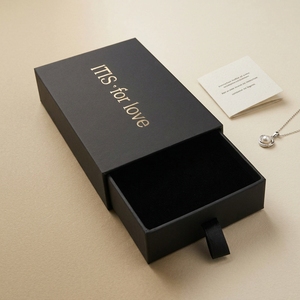

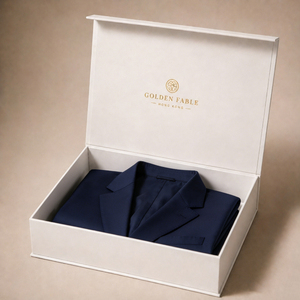
In the highly competitive global tea trade—encompassing Camellia sinensis varieties such as White Tea, Dragon Well Green Tea, High-Mountain Oolong, Black Tea, and specialized Botanical Herbal Infusions—packaging is far more than a container. It functions as a precision-engineered preservation shield, an ambassador of brand heritage, and a critical point of compliance with international food safety legislation.
For B2B procurement directors, brand owners, and OEM/ODM packaging buyers sourcing from global manufacturers, verifying true CE Certification and European Union Regulatory Compliance is essential. While CE marking traditionally covers machinery and electronics under specific directives, packaging components integrated into automated production lines or featuring electronic display/sealing elements must conform strictly to applicable EU harmonization standards, alongside stringent food contact legislation.
Leading tea packaging factories must operate under an integrated quality management infrastructure adhering to the following benchmarks:
| Engineering Benchmark | CE Certified Factory Standard | Standard Non-Compliant Packaging | Impact on Tea Brand Quality |
|---|---|---|---|
| Aroma & Volatile Retention | Dual-layer barrier foil (OTR < 0.1 cm³/m²/24h) | Single PE wrap (OTR > 5.5 cm³/m²/24h) | Preserves delicate polyphenols & essential oils up to 36 months vs rapid oxidation in 6 months. |
| Moisture Barrier (WVTR) | < 0.05 g/m²/24h @ 38°C, 90% RH | > 1.8 g/m²/24h @ 38°C, 90% RH | Prevents caking, mold growth, and enzymatic degradation in humid transit climates. |
| Chemical Migration & Odor | Zero volatile organic compounds (VOCs); Food-grade solventless inks | Standard industrial inks with residual solvent odor | Eliminates off-gassing ink odors that contaminate sensitive tea aromatics. |
| Structural Rigidity (BCT) | Box Compression Test > 4.5 kN (Greyboard 2.5mm+) | Standard folding chipboard (< 1.8 kN) | Ensures zero box collapsing or corner crushing during international sea freight container stacking. |
Tea leaves are highly hygroscopic and susceptible to ambient environmental factors including photo-oxidation, moisture absorption, cross-flavor contamination, and thermal degradation. Developing a high-performance rigid tea box requires a sophisticated synthesis of structural board mechanics and internal high-barrier pouch or tin integration.
Ultraviolet and visible light wavelengths trigger photo-oxidation of chlorophyll and catechins, causing green tea leaves to brown and acquire a stale, metallic off-flavor. Our CE-compliant rigid boxes utilize opaque high-density greyboards wrapped with metallized aluminum or black-lined FSC craft paper to ensure 100% optical opacity (0% light transmittance).
Critical moisture content in processed dry tea must remain strictly between 3% and 5%. Exceeding 7% triggers active enzymatic reactions that spoil loose leaves. We integrate moisture-impermeable aluminum foil laminates, tinplate canisters, or EVOH barrier inner sleeves engineered with hot-melt food-safe seals.
Oxygen presence accelerates rancidity of volatile aromatic compounds. For specialty grade Matcha and Pu-erh gift boxes, our packaging supports nitrogen flushing packaging machines, reducing headspace residual oxygen to under 0.5% for maximum shelf-life extension.
Our production lines support structural customization from 1.5mm to 3.5mm premium rigid greyboard, combined with high-grade wrapping papers such as 157gsm C2S art paper, 120gsm unbleached natural virgin kraft, or specialty velvet-touch tactile papers. Custom surface embellishments include hot foil stamping (Gold, Silver, Rose Gold, Holographic), embossing/debossing for tactile branding, and scratch-resistant matte/gloss laminations.
As global sustainability mandates tighten and consumer unboxing expectations evolve, procurement executives must align with forward-looking packaging factories capable of implementing cutting-edge technological advancements.
Traditional multi-layer aluminum plastics are being rapidly replaced by high-barrier recyclable mono-PE films and certified compostable PLA (Polylactic Acid) barrier wraps derived from sugarcane or cornstarch. Our OEM factories lead this transformation by manufacturing 100% recyclable paperboard rigid boxes bound with soy-based inks and water-based eco adhesives, fully compliant with the EU Plastic Packaging Tax and Extended Producer Responsibility (EPR) guidelines.
High-end tea brands are combatting global counterfeiting by embedding invisible NFC tags, unique encrypted QR codes, and tamper-evident holographic security seals into rigid gift box structures. Scanning the box allows consumers to verify single-origin plantation authenticity, harvesting dates, tea master roasting certifications, and organic compliance documentation directly on their smartphones.
Logistics cost management remains a top priority for B2B importers. The development of collapsible magnetic rigid boxes engineered with hidden neodymium magnets and pre-applied 3M adhesive corner strips allows boxes to ship completely flat—reducing ocean container freight volume by up to 75% while maintaining the instant assembly strength of a luxury rigid set-up box.
Consumers increasingly demand secondary utility from premium packaging. Modern tea gift sets feature modular internal dividers, velvet-lined drawers, or removable tea canister trays that convert elegant magnetic rigid boxes into reusable home jewelry boxes or decorative storage units, drastically amplifying brand recall and reducing single-use packaging waste.
Backed by advanced European production machinery, fully automated rigid box forming lines, and over 18 years of technical expertise in food-grade luxury packaging manufacturing, our factory ecosystem delivers unmatched reliability to global enterprise clients.
Our in-house packaging design team provides complimentary 3D digital mockups, structural dieline generation, and rapid physical prototype prototyping within 48 hours to ensure perfect fitment before mass production.
We accommodate boutique organic tea brands as well as multinational retail chains. Our agile manufacturing lines offer low Minimum Order Quantity (MOQ) flexibilities without sacrificing wholesale cost-efficiency.
Every manufacturing batch undergoes comprehensive testing: Spectrophotometer color matching (ΔE < 1.0), edge crush test (ECT), magnetic closure pull strength audit, and 100% dust-free air-cleansing prior to export packing.
Key technical and logistical queries addressed by our senior packaging engineering team to streamline your procurement process.
We supply complete compliance dossiers including Declaration of Conformity (DoC) for EC 1935/2004, heavy metal chemical test reports under Directive 94/62/EC, overall migration limit (OML) laboratory test results from SGS/TÜV, FSC wood pulp traceability certificates, and ISO 22000 cleanroom audit records necessary for smooth EU and US customs clearance.
We strictly utilize 100% vegetable-based soy inks, water-based acrylic coatings, and solvent-free laminating adhesives. Furthermore, inner liners or pouches located inside our rigid boxes feature high-density food-grade foil barriers tested under Robinson Sensor Array Odor Analysis to guarantee absolute sensory neutrality.
Yes. We custom-engineer a variety of precision insert materials based on your product weight and aesthetic requirements: high-density EVA foam lined with plush velvet, eco-friendly molded sugarcane pulp trays, rigid paperboard partitions, or micro-corrugated custom fitments designed for drop-test impact absorption.
Physical sample proofing takes 3 to 5 business days. Full mass production lead time averages 12 to 18 business days after sample approval and deposit confirmation. Expedited rush orders can be arranged through our automated high-speed box-forming lines.
Absolutly. Our eco-range utilizes 100% post-consumer recycled (PCR) greyboard, FSC-certified unbleached kraft papers, biodegradable cotton ribbon pulls, and plastic-free water-dispersed barrier coatings that allow the finished box to be processed directly through standard municipal paper recycling streams.
