Factory-Direct Catalogue
Featured Custom Rigid & Gift Packaging Solutions
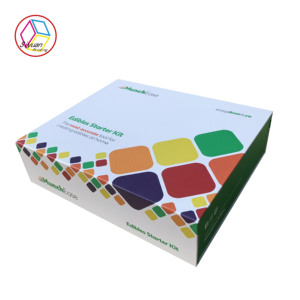
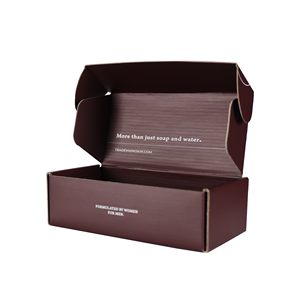
High-precision OEM/ODM packaging engineered with premium greyboard, magnetic closures, and luxury finishing techniques for global retail, cosmetics, and jewelry brands.
Procurement Intelligence Whitepaper
Navigating China's Top Branded Packaging Factories: A Global Buyer's Guide
In the luxury consumer landscape, physical packaging is no longer merely a protective vessel—it is a critical extension of brand equity, consumer psychology, and unboxing experiential design. Global brand directors, procurement executives, and supply chain managers seeking **top branded packaging factories in China** encounter a highly sophisticated ecosystem. The transition from legacy paper converting to automated, ultra-precise rigid box manufacturing has established China as the undisputed epicenter for high-end rigid packaging, collapsible gift boxes, and bespoke luxury packaging assemblies.
This whitepaper provides actionable technical criteria, empirical structural benchmarks, and strategic procurement frameworks designed to evaluate OEM/ODM packaging partners in key industrial hubs such as Shanghai, Zhejiang, and Guangdong.
Key Information Gain Metric: Greyboard Rigidity & Thermal Stability
Standard retail folding cartons rely on 300–400 gsm SBS paperboard. Premium rigid packaging manufactured by leading Chinese suppliers utilizes high-density, laminated greyboard (ranging from 1200 gsm to 1800 gsm, or 1.5mm to 3.0mm caliper thickness). This structural core resists flexural stress, humidity-induced warping, and compression forces during transoceanic shipping.
1. The Architecture of China Packaging Ecosystems: OEM vs. ODM Capabilities
Understanding the supplier hierarchy in China's packaging industry is vital for balancing unit costs, Minimum Order Quantities (MOQs), and engineering flexibility. The packaging supplier base is divided into three primary manufacturing tiers:
- Tier-1 Direct Automated Manufacturers: Facilities equipped with fully automated rigid box forming lines (e.g., Kolbus, Emmeci, and Zhongke machines). These factories achieve daily outputs exceeding 50,000 units with sub-millimeter tolerances. Ideal for high-volume enterprise orders requiring absolute consistency.
- Bespoke Craft ODM Workshops: Specialized in ultra-complex manual and semi-automated constructions—such as multi-tiered gatefold boxes, velvet-lined jewelry chests, and integrated LED light packaging. They excel in low-to-medium volume, highly intricate designs.
- Hybrid Packaging Integrators: Facilities providing end-to-end solutions including internal insert molding (EVA, EPE, sugarcane pulp trays), custom hardware, and specialized exterior wraps (linen, specialty foil paper, soft-touch velvet).
Automated Precision
Robotic positioning and visual die-cutting maintain corner wrapping tolerances within ±0.3mm, eliminating manual gluing defects and air bubbles on luxury wraps.
Structural Versatility
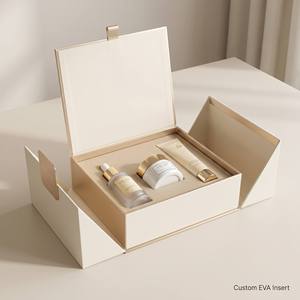
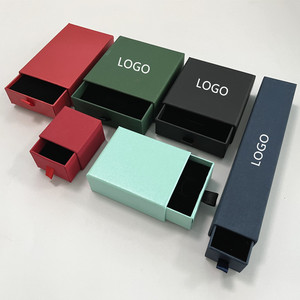
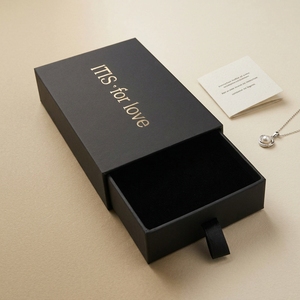
From flat-pack collapsible boxes equipped with N52 neodymium magnetic closures to slide-out drawer boxes, China suppliers engineer functional utility into luxury aesthetics.
Global Compliance
Fully compliant with FSC (Forest Stewardship Council), REACH, RoHS, and Sedex SMETA social responsibility standards required for North American and EU retail entry.
2. Future Procurement & Material Trends in Packaging (2025–2030)
The global luxury packaging industry is experiencing a paradigm shift driven by legislative mandates on single-use plastics and changing consumer expectations regarding sustainability. Leading Chinese packaging manufacturers are investing heavily in material science innovations:
A. Collapsible Rigid Mechanics for Freight Optimization
Traditional setup rigid boxes incur substantial logistics costs because they ship as empty volumetric space (CBM). Modern Chinese suppliers have pioneered **collapsible rigid magnetic boxes**. Utilizing precision V-slot scoring on 2mm greyboard, these boxes fold completely flat for storage and ocean transport—reducing carbon footprints and shipping volume by up to 75% while maintaining structural rigidity upon assembly.
B. Mono-Material & Plastic-Free Interior Inserts
Historically, luxury box interiors relied heavily on thermoformed PVC/PET trays or EVA foam blocks. Next-generation packaging suppliers in China now supply 100% biodegradable substitutes:
- Custom Dry-Pressed Sugarcane Pulp: Molded bagasse inserts textured with velvet coatings provide high impact protection with zero petroleum derivatives.
- FSC-Certified Folded Micro-Flute Dividers: Precision laser-cut cardboard grids engineered to cushion heavy glass cosmetics or fragrance bottles.
C. High-Fidelity Surface Finishes & Tactile Chemistry
Branded packaging relies on tactile engagement. Premium China suppliers leverage advanced surface embellishments:
- Soft-Touch Velvet Lamination: Anti-scratch matte films that prevent finger printing while delivering a silky hand-feel.
- Multi-Level 3D Embossing & Hot Foil Stamping: Combined brass die stamping that simultaneously raises brand typography and registers metallic foil with microscopic accuracy.
- Targeted Spot UV & Hybrid Varnishing: Contrasting high-gloss pattern coatings against ultra-matte paper wraps for dramatic visual depth.
3. Quality Control (QC) & Risk Mitigation in Overseas Sourcing
Procuring custom packaging from overseas factories requires strict quality assurance protocols. Top China suppliers operate under ISO 9001 quality management systems, enforcing a 4-stage inspection workflow:
- Incoming Quality Control (IQC): Testing raw greyboard burst strength, paper wrap moisture content (kept strictly between 6%–8%), and glue viscosity before production starts.
- In-Process Quality Control (IPQC): Real-time automated sensor checks monitoring dieline accuracy, magnetic polarity orientation, and glue registration.
- Final Quality Control (FQC): AQL 1.0/2.5 statistical sampling evaluating structural alignment, surface flaws, foil adhesion (cross-hatch tape test), and odor neutrality.
- Out-Going Quality Control (OQC): Drop-testing fully loaded finished packages (ISTA 1A standard) inside corrugated shipping master cartons.
Clear Answers for Global Buyers
Packaging Sourcing & Manufacturing FAQ
What defines a custom rigid box versus a standard folding carton?
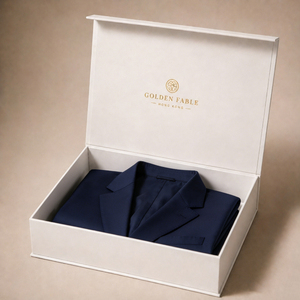
A custom rigid box (also known as a set-up box) is constructed from thick, high-density chipboard or greyboard (typically 1.5mm to 3.0mm thick) wrapped in a decorative printed paper, fabric, or leatherette wrap. Unlike folding cartons that ship flat and require assembly, rigid boxes maintain their solid structural shape, delivering superior protection and a luxury unboxing experience for high-end products.
What are the typical lead times for prototyping and mass production in China factories?
Structural 3D digital mockups and unprinted white samples are typically completed within 2 to 3 working days. Full production-grade samples with custom printing, foil stamping, and inserts take 5 to 7 days. Mass production lead time ranges from 12 to 18 business days depending on order complexity, machine automation level, and quantity.
How do collapsible rigid boxes reduce global freight and warehousing expenses?
Traditional rigid boxes ship fully assembled, meaning you pay ocean/air freight for trapped air space. Collapsible rigid boxes feature precision V-grooved corners and integrated magnetic flap closures, allowing them to ship completely flat. This reduces freight volume (CBM) by up to 70-85%, significantly lowering shipping costs and warehouse storage footprints.
What custom interior insert options provide the best protection for fragile items?
For maximum shock absorption (fragrances, electronics, cosmetics), high-density EVA foam or EPE foam with custom velvet top layers is recommended. For eco-conscious brands requiring plastic-free packaging, molded sugarcane pulp inserts or structural FSC cardboard dividers provide excellent protection and 100% recyclability.
How can global brands verify FSC compliance and quality standards before placing bulk orders?
Reputable China suppliers provide verifiable FSC chain-of-custody certificates (FSC-C123456), ISO 9001/14001 certification documents, and third-party audit reports (such as Sedex SMETA or BSCI). Furthermore, ordering production-grade pre-shipment samples ensures paper texture, foil registration, and structural strength meet exact brand guidelines.