Engineered for superior moisture/oxygen barrier protection, child resistance, and full compliance with international pharmacopeia standards.
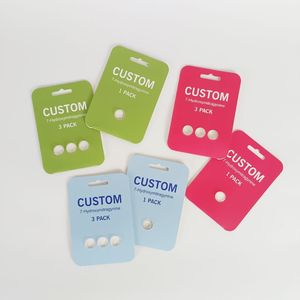
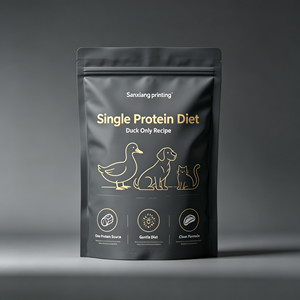
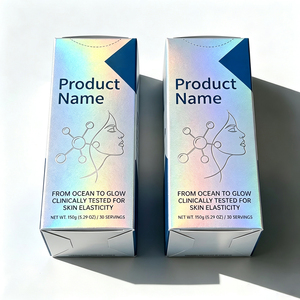
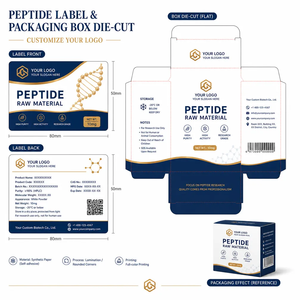
Our primary manufacturing sites operate under strict ISO 15378 standards specifically governing primary packaging materials for medicinal products.
Multi-layer barrier laminates engineered to protect sensitive APIs from hydrolysis, photolysis, and oxidative degradation.
Fully inline high-speed digital printing for 2D GS1 DataMatrix codes, serial numbers, and tamper-evident void seals.
In the modern global healthcare ecosystem, pharmaceutical packaging has evolved from a basic containment vehicle into a critical component of drug delivery, product stability, regulatory compliance, and brand security. As pharmaceutical formulations become increasingly complex—incorporating delicate biological agents, moisture-sensitive active pharmaceutical ingredients (APIs), and potent compounds—the demand for high-performance primary and secondary packaging solutions has scaled exponentially.
This industry report examines the critical engineering considerations, material advancements, regulatory mandates, and global sourcing strategies driving custom OEM pharmaceutical packaging. Designed for procurement executives, quality assurance directors, and pharmaceutical packaging engineers, this guide outlines the roadmap to building resilient, compliant, and cost-effective packaging supply chains.
Pharmaceutical packaging is fundamentally categorized into primary packaging (direct contact with the medicinal product) and secondary packaging (outer protection and distribution container). Each layer serves distinct barrier, structural, and regulatory purposes:
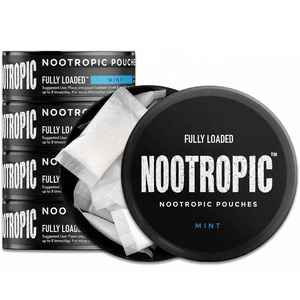
Primary packaging materials—such as Alu-Alu cold-form foils, thermoforming PVC/PVDC films, peptide vial boxes with custom EVA foam, and pharmaceutical pouches—must maintain absolute physicochemical neutrality. Key technical parameters include:
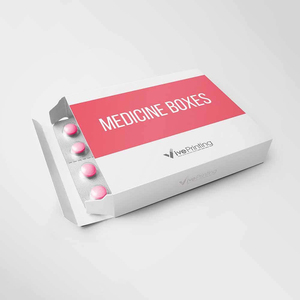
Secondary packaging—including folding medicine cartons, rigid peptide presentation boxes, and shipping containers—focuses on mechanical shock absorption, stackability, thermal insulation, and regulatory labeling compliance. High-burst-strength medical-grade SBS paperboard and greyboard substrates prevent structural collapses during international transit.
The global pharmaceutical packaging market is undergoing a seismic shift toward supply chain diversification, localized OEM contract manufacturing, and eco-friendly material substitution. Procurement teams must navigate several macro trends:
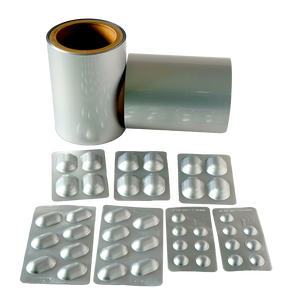
As tropical and humid market expansion accelerates (Zones IVa and IVb stability testing conditions under ICH guidelines), traditional PVC-based blister packaging is increasingly replaced by cold-formed Alu-Alu (OPA/ALU/PVC) foils. Cold-forming creates an impenetrable barrier against light, gas, and humidity, ensuring shelf-life stability up to 5 years even in challenging climatic conditions.
Global anti-counterfeiting mandates—such as the United States Drug Supply Chain Security Act (DSCSA) and the European Union Falsified Medicines Directive (EU FMD)—require unit-level track-and-trace serialization. Modern OEM packaging factories now embed high-resolution inline inkjet or UV laser coders capable of applying 2D GS1 DataMatrix barcodes, covert micro-text, and optical tamper-evident labels directly during the conversion process.
Environmental sustainability is transforming pharmaceutical secondary packaging. Biopharmaceutical manufacturers are phasing out petroleum-based plastic trays in favor of biodegradable molded pulp inserts, recyclable mono-material thermoforming films, and FSC-certified paperboard cartons printed with vegetable-based inks.
Counterfeit pharmaceuticals pose a severe risk to patient safety and global brand equity, accounting for tens of billions of dollars in annual losses. OEM packaging factories play a vital frontline role by integrating multi-layered covert, overt, and forensic security technologies:
Visible features that consumers and pharmacists can instantly verify without specialized equipment.
Hidden features detectable only by trained supply chain personnel using specialized tools.
Molecular-level identification methods valid in legal proceedings and regulatory audits.
Top-tier OEM pharmaceutical packaging exporters operate under strict cGMP environments. Production facilities must feature Class 100,000 (ISO 8) cleanrooms equipped with positive pressure air handling, HEPA filtration systems, and automated vision inspection systems.
Every lot manufactured undergoes extensive analytical testing, including burst strength testing, peel strength measurement for heat-sealable foil lids, barcode readability scoring (ISO/IEC 15415 standards), and bioburden microbial limit testing. This rigorous quality control framework ensures zero-defect delivery to pharmaceutical formulation plants worldwide.
Our packaging engineers offer free CAD dieline development and 3D structural mockups within 24 hours.
Inquire NowDrawing from decades of industrial packaging excellence, our manufacturing facilities combine structural precision, low minimum order quantity flexibility, and full-spectrum customization to support pharmaceutical brands from clinical trials through mass commercial production.
Unlike rigid industrial converters that mandate massive minimum run lengths, we support agile pharmaceutical sourcing. Whether you require a pilot batch of 500 custom peptide vial boxes for Phase I clinical trials or 1,000,000 unit commercial folding cartons, our digital and offset production lines accommodate your exact demand scale without penalty pricing.
Our in-house packaging engineers collaborate directly with your regulatory and marketing teams. We provide complimentary CAD dielines, stress analysis, 3D digital renderings, and rapid physical prototypes to ensure perfect container-closure fit before committing to mass production tooling.
From complex multi-cavity vial trays to compact 3ct/5ct blister cards, every dimensional parameter is tailored to your automated packaging lines. We work with a broad spectrum of pharmaceutical-grade materials including SBS paperboard, rigid greyboard, craft liner, Alu-Alu foils, PET, and high-barrier PVDC coatings.
Pharmaceutical supply chains wait for no one. Our dedicated international support teams provide round-the-clock technical guidance, instant quoting, and expedited manufacturing schedules, achieving average production turnaround times of 10 to 14 business days.
Detailed technical answers to common queries regarding regulatory compliance, barrier properties, sample lead times, and custom OEM manufacturing options.
Our primary and secondary manufacturing facilities operate under strict cGMP guidelines and hold ISO 9001 (Quality Management), ISO 15378 (Primary Packaging Materials for Medicinal Products), and ISO 14001 (Environmental Management) certifications. We also maintain active Drug Master Files (DMF) with global health authorities.
Cold-form Alu-Alu foil (OPA/ALU/PVC) is mechanically shaped without heat and provides a 100% total barrier against water vapor, oxygen, and ultraviolet light, making it suitable for extremely sensitive APIs. Thermoforming PVC/PVDC uses heat to mold clear or tinted plastic cavities, offering high visibility and cost efficiency for standard stability formulations.
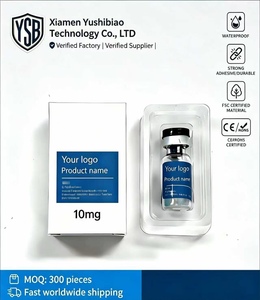
Yes. We specialize in custom rigid vial presentation boxes tailored to 2ml, 3ml, 5ml, and 10ml peptide vials. Inserts can be customized using high-density shock-absorbing EVA foam, velvet-lined molded pulp, or recyclable paperboard partitions to prevent vial breakage during transit.
We integrate covert, overt, and forensic security technologies including custom 3D holographic tamper-evident seals, micro-text printing, color-shifting optical inks, UV-fluorescent watermarks, variable 2D GS1 DataMatrix codes, and void-pattern adhesives that leave irreversible proof of opening.
Unprinted structural samples or 3D digital mockups are typically produced within 24 to 48 hours. Production-grade printed prototype samples take 3 to 5 business days. Full mass production orders are completed within 10 to 14 business days depending on order quantity and finishing complexity.
Yes! We understand that drug development requires flexible, small-scale production runs for Phase I-III clinical trial batches. We offer flexible MOQ programs without high setup penalties, allowing you to scale up seamlessly as your product moves toward commercial launch.
Absolutely. Our medicine folding cartons comply fully with Marburg Medium Braille standards required in European markets (EN 15823). Additionally, our inline high-speed digital coders meet GS1 DataMatrix standards for US DSCSA and EU FMD serialization compliance.
Contact our technical packaging specialists today for free CAD dielines, custom material stability consultations, and competitive factory-direct pricing for your medical packaging needs.
Inquire Now