Engineered for smartphones, premium accessories, wearable tech, and high-end gift sets. Featuring precision tolerances (±0.5mm), custom anti-static inserts, and tactile luxury wrapping.
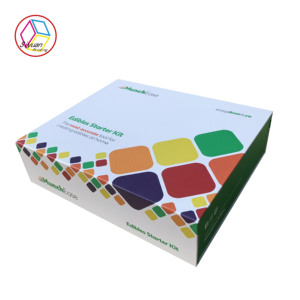

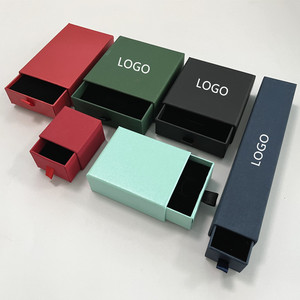
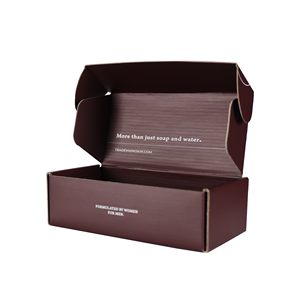
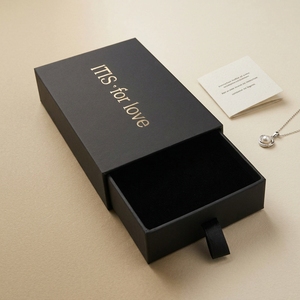

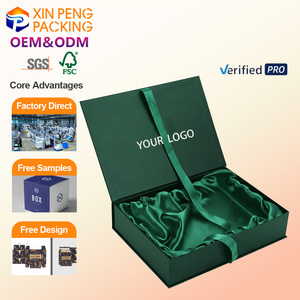
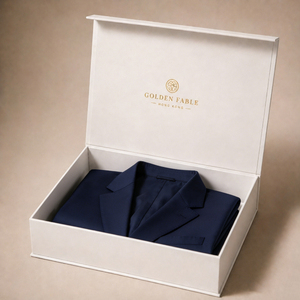
In the global consumer electronics market, packaging is no longer merely a protective vessel; it serves as the critical initial physical touchpoint between a brand and its consumer. As mobile device specifications converge across processing power and display fidelity, the unboxing experience—governed by the tactile quality, structural precision, and environmental footprint of the phone box—has emerged as a primary lever for brand differentiation and customer retention.
For Supply Chain Directors and Global Procurement Managers, selecting a phone packaging supplier requires a rigorous multi-faceted evaluation. Beyond unit cost (FOB/CIF), procurement decisions must account for structural engineering tolerances (±0.5 mm to ensure vacuum-feel lid removal), shock absorption certifications (ISTA 3A drop testing standard), Electrostatic Discharge (ESD) compliance, and global environmental mandates such as the EU Single-Use Plastics Directive and FSC certification.
Key Industry Finding: Research indicates that 72% of consumer electronics buyers report that rigid, high-density packaging significantly heightens perceived product value, directly impacting return rates and brand equity during initial activation.
Engineered phone packaging integrates multi-layer material science to guarantee zero-defect transport under high-vibration international freight conditions. The gold standard in smartphone box construction relies on a 1.5mm to 3.0mm solid greyboard core wrapped in 128gsm–157gsm art paper or eco-friendly unbleached kraft paper.
Must withstand 10 consecutive drop tests from heights up to 1.2 meters without corner collapse or internal device displacement.
Anti-static surface resistivity (10^6 to 10^9 ohms/sq) prevents electrostatic discharge damage to mobile IC chips and cameras during transit.
Engineered side gaps yield a 2-to-4 second visual "slow-slide" unboxing reveal driven by air resistance between lid and base.
Evaluated across automated production capacity, material sustainability compliance, QC pass rates, and custom R&D capabilities.
The Rigid Boxes stands as an industry leader in custom rigid box manufacturing, delivering precision engineering without strict Minimum Order Quantities (No MOQ). Known for automated V-slot board grooving and high-end hot foil stamping, they serve top-tier consumer tech brands worldwide with full ISO 9001 quality assurance and rapid 7-day prototype delivery.
Operating vertically integrated production lines for tier-1 device makers, Foxconn specializes in high-speed automated packaging assembly line integration. Their packaging division excels in ultra-thin molded pulp trays and zero-plastic smartphone retail packaging.
CRD Group is a premier manufacturer specializing in space-saving collapsible magnetic boxes for mobile devices and smart wearables. Their patented fold flat structural design slashes ocean container freight volume by up to 70%, drastically cutting international supply chain logistics costs.
Yuto is a publicly listed packaging giant providing end-to-end printing and packaging solutions for major mobile hardware brands. They lead in anti-counterfeiting micro-text printing, integrated NFC tag box embedding, and sustainable soy-based ink applications.
Smurfit Kappa dominates the European market for recycled paperboard and e-commerce smartphone shipping boxes. Their "Better Planet Packaging" initiative offers 100% biodegradable corrugated mailers engineered to survive rigorous postal sorting systems.
Stora Enso is a global pioneer in renewable material solutions. For smartphone packaging, they provide ultra-smooth dry-molded fiber inserts that replace plastic thermoformed trays while maintaining scratch-free surface protection for glass devices.
MW Packaging excels in high-end, limited-edition promotional kits and luxury media presentation boxes for tech launches. Their engineering integrates soft-touch linings, acrylic windows, magnetic closures, and built-in LED display screens.
DS Smith provides comprehensive supply chain packaging audit metrics. Utilizing their Pace Plan technology, they optimize wall thickness for corrugated phone transit boxes, ensuring maximum stacking strength while minimizing raw material usage.
XP OEM is a preferred B2B manufacturer for emerging smartphone brands and refurbished device distributors seeking aggressive factory-direct bulk pricing. They offer standardized rigid tooling for rapid 10-day turnaround on high-volume runs.
Japan’s Rengo is famed for ultra-precise micro-corrugated paperboard engineering. Their F-flute and N-flute boxes combine the sleek printability of solid folding cartons with the structural crush-resistance required for high-density phone packaging.
The phone packaging sector is undergoing a structural shift driven by legislative mandates, consumer sustainability awareness, and supply chain automation. Buyers and brand managers preparing their 2026–2030 procurement roadmaps must align with four macro trends:
Thermoformed EVA and vacuum-formed PVC inner trays are being phased out in favor of 100% biodegradable bamboo and sugarcane bagasse molded pulp trays engineered with scratch-free surface coatings.
Following the removal of wall chargers from standard retail phone boxes, packaging footprints have shrunk by 40%. Future designs focus on micro-rigid walls (1.2mm board) to minimize air freight carbon taxes.
Integration of printed conductive inks, tamper-evident RFID tags, and scannable dynamic QR codes directly onto packaging wraps enables real-time grey-market tracking and interactive digital unboxing.
As referenced in enterprise manufacturing benchmarks, our facilities integrate state-of-the-art automated rigid box making machinery (Hongming & Zhengrong automatic lines) capable of yielding ±0.3mm corner wrapping accuracy. We eliminate common supplier friction points through structured OEM/ODM workflow management:
Answers to common inquiries regarding technical specs, minimum orders, material choices, and lead times.
The industry standard for premium smartphone boxes is a 2.0mm to 2.5mm high-density greyboard wrapped in 157gsm coated art paper or specialty textured paper. This provides structural crush resistance up to 80kg while maintaining a crisp, luxury feel.
Molded pulp (bagasse or recycled bamboo fiber) is 100% recyclable, plastic-free, and meets global zero-waste regulations. High-density EVA foam offers slightly superior shock absorption for ultra-heavy devices, but eco-coated molded pulp has reached 98% protection equivalence and is now preferred by major brands like Apple and Google.
Yes. All structural dielines are engineered around your specific hardware dimensions. Multi-tiered inner platforms, custom envelope sleeves for SIM pins, and molded compartments for USB-C cables ensure a zero-rattle internal fit.
Physical structural samples and digital proofing require 3 to 5 working days. Full mass production for orders ranging from 5,000 to 100,000 units typically takes 12 to 18 business days following artwork sign-off.
A 2-piece telescopic lid-and-base structure relies on air damping for a controlled friction reveal, making it ideal for retail phone boxes. Magnetic flip-top or gatefold boxes offer a luxury "book-style" opening, ideal for flagship editions, press kits, or high-value gift sets.
Yes. All greyboard, kraft paper, and outer wrap papers can be sourced with Forest Stewardship Council (FSC) chain-of-custody certification. Inks, glues, and coatings are tested to ensure zero hazardous heavy metals, complying strictly with RoHS and REACH standards.
