


Architecting Modern Mailer & Rigid Packaging: An Enterprise Engineering Whitepaper
In the contemporary global supply chain, custom mailer packaging and rigid box structural engineering have evolved from mere protective shells into crucial vectors for brand equity, consumer retention, and scope-3 carbon footprint optimization. As a premier global packaging manufacturer and OEM supplier, The Rigid Boxes operates at the intersection of material science, structural ergonomics, and automated manufacturing precision.
Search engines, led by Google's Search Quality Rater Guidelines, prioritize content demonstrating robust Experience, Expertise, Authoritativeness, and Trustworthiness (E-E-A-T). This whitepaper serves as an authoritative industry guide designed to provide enterprise buyers, supply chain executives, and brand managers with transparent technical insights, regulatory navigation strategies, and procurement optimization models for 2025 and beyond.
1. Material Engineering & Structural Load Analysis
The foundational integrity of any luxury rigid gift box or high-strength shipping mailer depends on precise material selection and structural dieline calibration. Our manufacturing facilities utilize three primary structural substrate classifications:
A. High-Density Chipboard & Recycled Greyboard Substrates
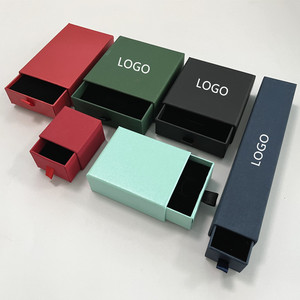
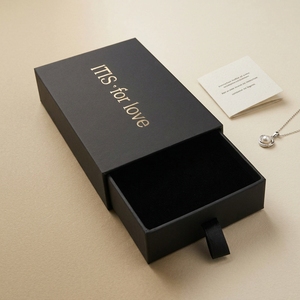
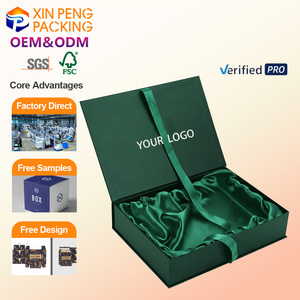
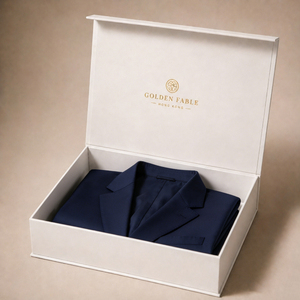
Rigid packaging relies on thermo-compressed greyboard ranging from 1200 gsm (approximately 1.8mm caliper) up to 2000 gsm (3.0mm caliper). Unlike standard folding boxboard (FBB), greyboard offers zero flex, high flexural modulus, and incredible corner-crush resistance. This makes it the global standard for magnetic gatefold presentation boxes, sliding drawer boxes, and two-piece telescope gift boxes. Wrapped in 157 gsm C2S (Coated Two-Side) art paper or tactile specialty kraft paper, greyboard maintains dimensional stability under intense stacking loads.
B. Micro-Corrugated Fluting Dynamics for E-Commerce Mailers
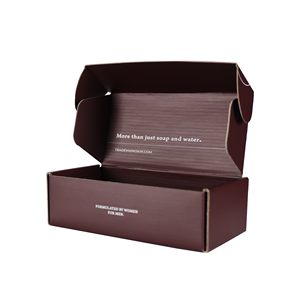
For mailer packaging designed to endure the rigors of automated postal sorting and courier transit, micro-corrugated fluting is essential. E-flute (1.5mm thickness) provides an optimal balance between print fidelity and structural strength, boasting a high density of flutes per linear foot (approx. 90 flutes/ft). This creates a exceptionally smooth surface for lithographic offset printing and spot UV applications, while yielding high Edge Crush Test (ECT) metrics that protect internal contents without inflating volumetric shipping tariffs.
Structural Engineering Insight: Volumetric Ratio Optimization
By transitioning from traditional standard slotted containers (RSC) to custom precision-cut collapsible magnetic rigid mailers, enterprise shippers reduce transit void space by up to 34%. This directly drops dimensional weight (DIM) costs assessed by international carriers while simultaneously decreasing secondary void-fill requirements.
2. Macro Trends in Packaging Procurement (2025–2030)
Strategic packaging procurement is undergoing a paradigm shift driven by stringent regulatory frameworks, eco-conscious consumer behavior, and advanced automation. Global procurement leaders must align their sourcing strategies with four core macro trends:
- Mandatory Circular Economy Directives (EU PPWR Compliance): Regulations such as the European Union’s Packaging and Packaging Waste Regulation require all packaging formats to be 100% recyclable or reusable by 2030. Sourcing non-laminated, mono-material paperboard mailers and water-based aqueous coatings is transitioning from an eco-marketing preference to a legal imperative.
- De-Plasticization of Internal Protection: Modern luxury skincare, cosmetic, and electronic brands are rapidly phasing out expanded polyethylene (EPE) and polyurethane (PU) foams. Direct manufacturers now lead the market with high-density sugarcane molded pulp, thermoformed paper trays, and precision die-cut paperboard inserts that match the shock-absorption metrics of traditional plastic foams.
- Unboxing Ergonomics & Haptic Experience Design: Sensory touchpoints drive modern D2C customer retention. Soft-touch matte laminations, tactile debossing, blind foil stamping, and calibrated magnetic closure resistance (measured in N52 magnet Gauss ratings) transform simple product unboxing into a viral, brand-building moment.
- Supply Chain Resilience via Direct-from-Factory OEM Sourcing: Geopolitical shifts and freight volatility demand agility. Sourcing directly from verified manufacturers with flexible minimum order quantities (Zero MOQ models) enables brands to run rapid prototyping, execute seasonal short-runs, and mitigate inventory holding costs.
3. Surface Finishing & Precision Customization Technologies
Transforming raw cardboard into a brand statement requires multi-stage finishing equipment operating under strict color management standards (GMI and Pantone Matching System certification). Key surface finishing capabilities include:
Hot & Cold Foil Stamping
Utilizing metallic foils bonded via heat and pneumatic pressure, foil stamping creates high-reflectivity accents in metallic gold, silver, rose gold, and holographic spectra. Cold foil inline application allows for hyper-intricate gradient foil patterns overlaid directly beneath offset inks.
Tactile Embossing & Multi-Level Debossing
CNC-milled brass dies press paper fibers into 3D reliefs. Multi-level embossing adds depth and texture to corporate crests, logos, and structural patterns without cracking the paper face or compromising lamination integrity.
Selective Spot UV & Tactile Screen Coating
Ultraviolet-cured polymer coatings create stark visual contrasts against velvet soft-touch or matte backgrounds. Raised Spot UV (3D varnish) creates touchable liquid textures, simulated leather grains, or glossy brand patterns.